






Don't Leave Your Old Pensions Behind: A Wedding-Day Financial Checklist
With National Pension Tracing Day approaching on 25th October, millions of...

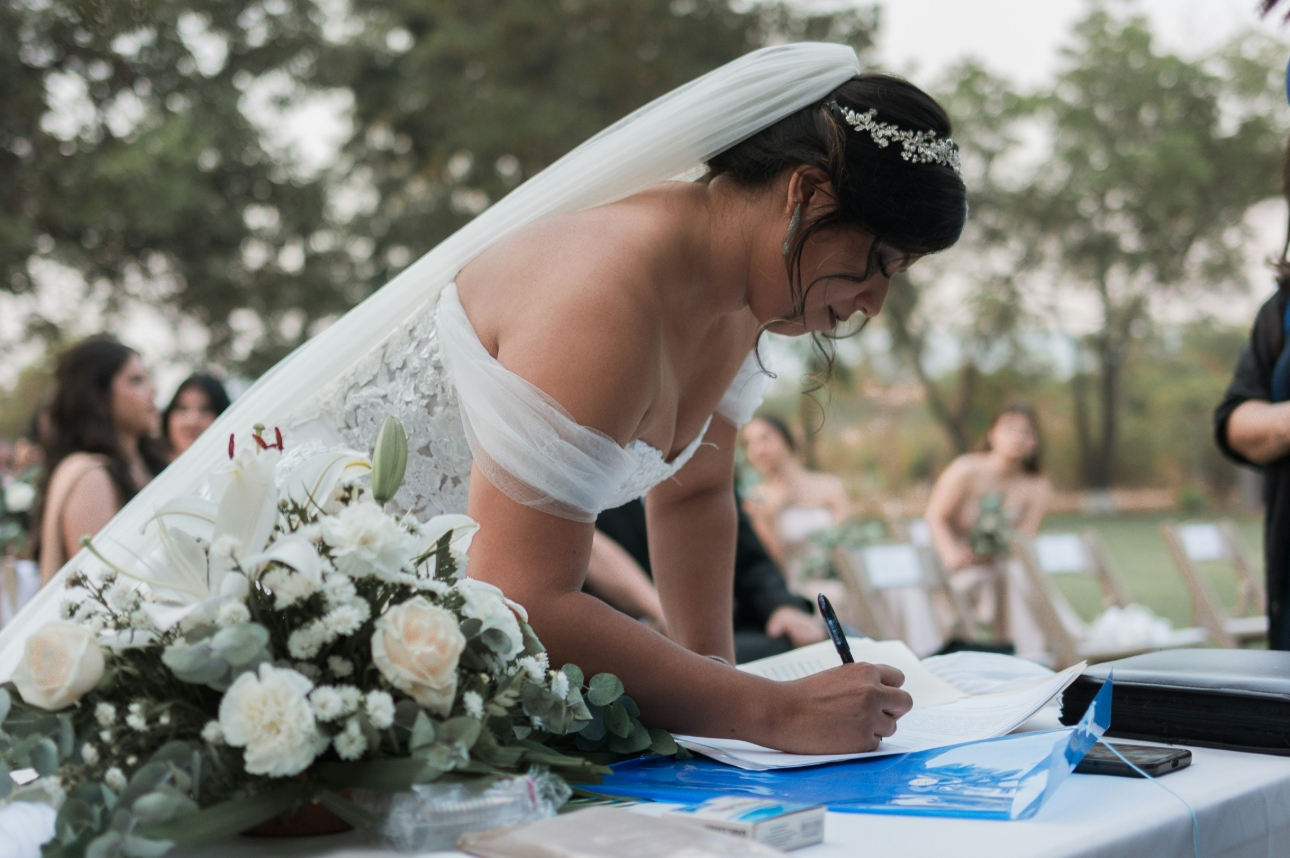
Getting married is an exciting time, with plenty to plan and look forward to. While writing a will might not be top of the wedding to-do list, it's an important step in making sure your wishes are respected and your loved ones are protected if the unexpected happens.
Free Wills Month gives people aged 55 and over the opportunity to write or update a simple will for free with a participating solicitor in selected locations across the UK. But you don't need to wait until you're 55 to make a will. Getting married, buying a home or starting a family are all good opportunities to think about how you'd like to protect your loved ones.
Charlotte O'Brien, Head of Employee Benefits at MetLife UK, shares six key tips for engaged and married couples on writing or updating a will and planning for their future together.

|
1. What are the essential steps to write a legally valid will in the UK? 4. What are the steps to take when updating an existing will after marriage? In England and Wales, marriage normally revokes an existing will unless it was made in contemplation of that particular marriage. So, if you’re getting married, review your arrangements rather than assuming your existing will still applies. This is particularly important if you have children from a previous relationship or jointly owned assets. It’s also worth checking the beneficiaries named on your life insurance and reviewing any pension arrangements.
Start by deciding who you want to benefit from your estate, who will administer it and whether you want to leave any specific gifts. In England and Wales, your will must be in writing and signed in the presence of two witnesses, who must also sign it. If you're getting married, remember to review your will, as marriage can affect its validity. Rules differ across the UK, so check the requirements where you live.
2. How can couples talk about wills without taking the romance out of wedding planning?
Talking about what would happen if one of you died can feel uncomfortable, but it's an important part of planning a future together. Try approaching the conversation alongside discussions about buying a home, having children or managing your finances. Focus on who you want to protect and what matters most to you both. You don't need to decide everything at once; an honest conversation is a good first step.
3. How much does it cost to have a solicitor draft a will?
Costs depend on the solicitor and how complicated your circumstances are. A straightforward will generally costs less than one involving trusts, business interests or overseas assets, so check what's included in a quote. Free Wills Month offers people aged 55 and over the opportunity to write or update a simple will free of charge through participating solicitors in selected locations, although appointments are limited. If you're younger, you can still arrange a will through a solicitor or explore online options.

|
5. What documents do I need to gather before writing or updating my will?
Start with a list of your assets and debts, including your home, savings, investments, mortgage and any business interests. Make a note of who you want to benefit and who you might appoint as an executor. If you're buying a home together, check how the property will be owned, as this can affect what happens to your share if you die. Children, previous relationships or overseas assets may also need extra consideration.
6. Can I write or update my will using a mobile app safely?
Online services and apps can help you get started, but completing a digital template doesn't automatically make a will legally valid. In England and Wales, the required signing and witnessing formalities still apply. An online service may suit straightforward circumstances, but if you have a complex family situation, business interests or overseas assets, professional advice can help you avoid costly mistakes.
Planning for the future also means considering the practical and financial support your loved ones may need if you die. MetLife Group Life customers and their families can also access funeral planning and support services provided by Everest Funeral Concierge. These include access to a funeral adviser, online planning tools and support with wills and probate, helping families navigate some of the practical challenges that come with loss.